The narrative around artificial intelligence has shifted dramatically. Two years ago, AI felt like a buzzword reserved for billion-dollar research labs and Silicon Valley startups. Today, a bakery in Pune can use an AI-powered scheduling tool, and a three-person legal firm can automate document review with a custom LLM pipeline — all without a dedicated engineering team.
At IXT Minds, we've been building AI solutions for businesses of all sizes, and the transformation we've witnessed firsthand is remarkable. Here's what's actually working in 2026.
1. Intelligent Customer Support — Without Losing the Human Touch
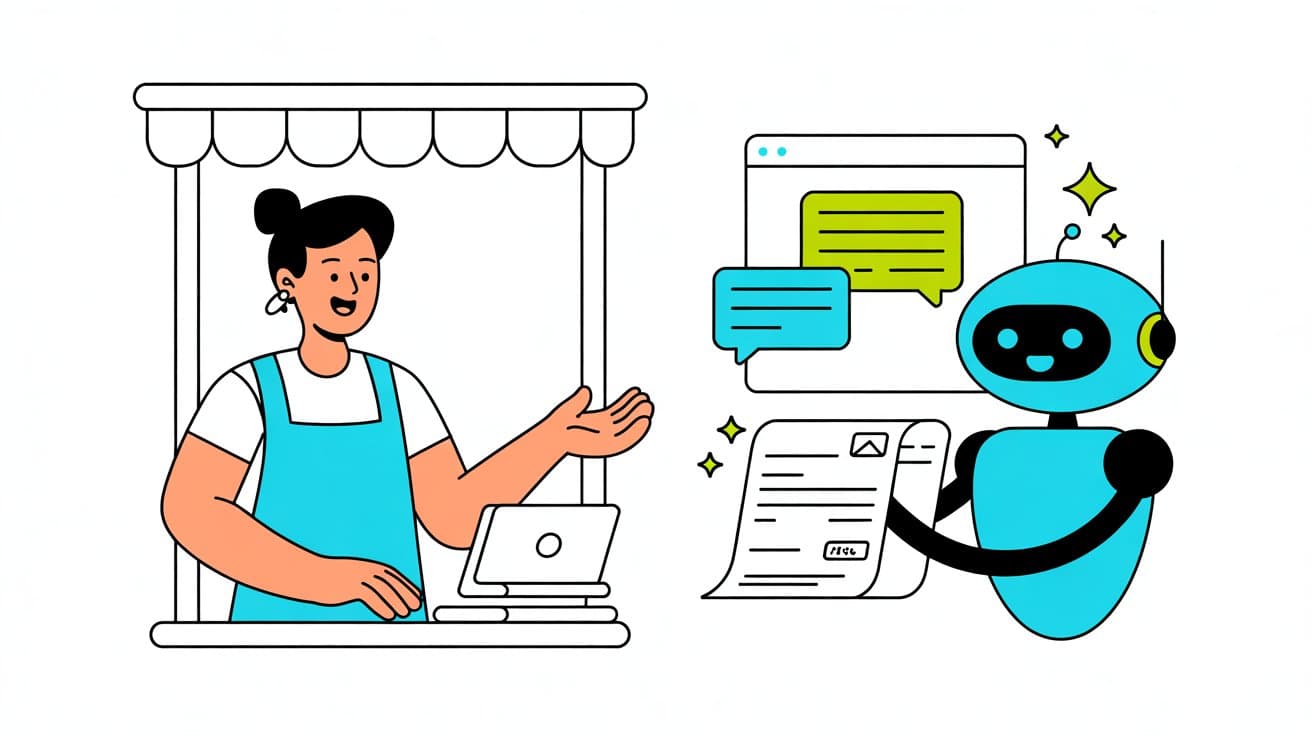
The most immediate ROI we see with clients comes from AI-powered customer support. Not the clunky chatbots of 2020 that left users frustrated — but context-aware assistants trained on your actual product documentation, FAQs, and support history.
One of our e-commerce clients reduced their first-response time from 4 hours to under 2 minutes, handling 70% of queries automatically, while escalating complex cases seamlessly to a human agent. Customer satisfaction scores went up, not down.
2. Automating Back-Office Work Nobody Wants to Do
Invoice processing, data entry, report generation, email triage — these are the tasks that eat hours every week. Businesses that have integrated AI automation pipelines into their operations are reporting 15–25 hours per employee per month saved on repetitive work.
We built a document processing system for a logistics company that automatically extracts, validates, and routes information from hundreds of supplier invoices daily. What used to take a full-time employee a week now completes overnight.
3. AI-Assisted Marketing That Actually Converts
AI doesn't replace your marketing team — it makes them significantly more effective. From generating ad copy variations to optimising send times, personalising email sequences, and identifying which content topics drive the most traffic, AI tools are compressing the feedback loop between idea and result.
Our digital marketing clients using AI-assisted content and ad optimisation are seeing 30–50% better conversion rates on campaigns compared to manual baseline strategies.
4. Predictive Analytics for Inventory and Demand
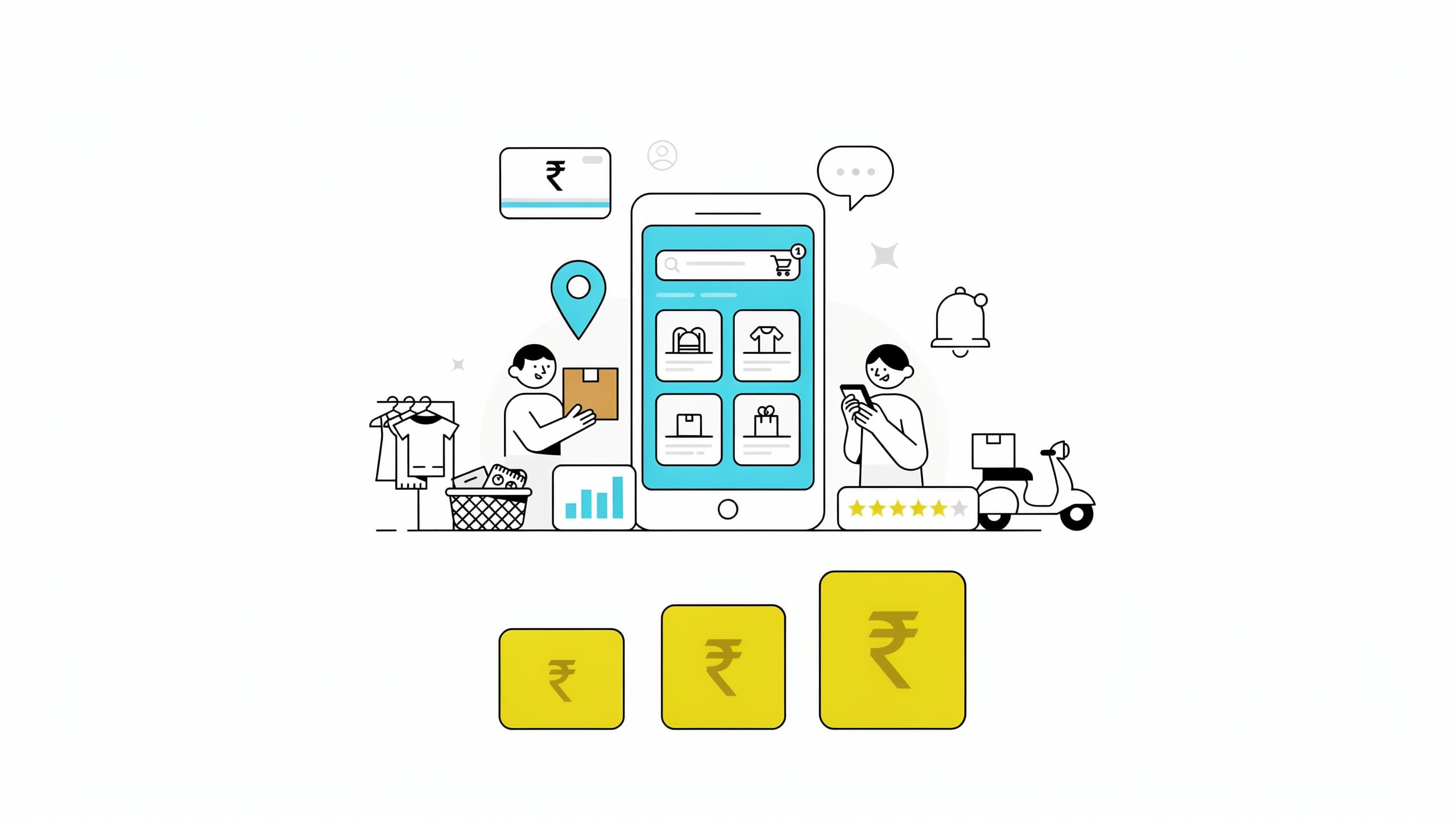
For product businesses, running out of stock (or overstocking) is expensive. Machine learning models trained on your historical sales data, seasonal patterns, and external signals can forecast demand with surprisingly high accuracy — even for small datasets.
Getting Started Without Overwhelm
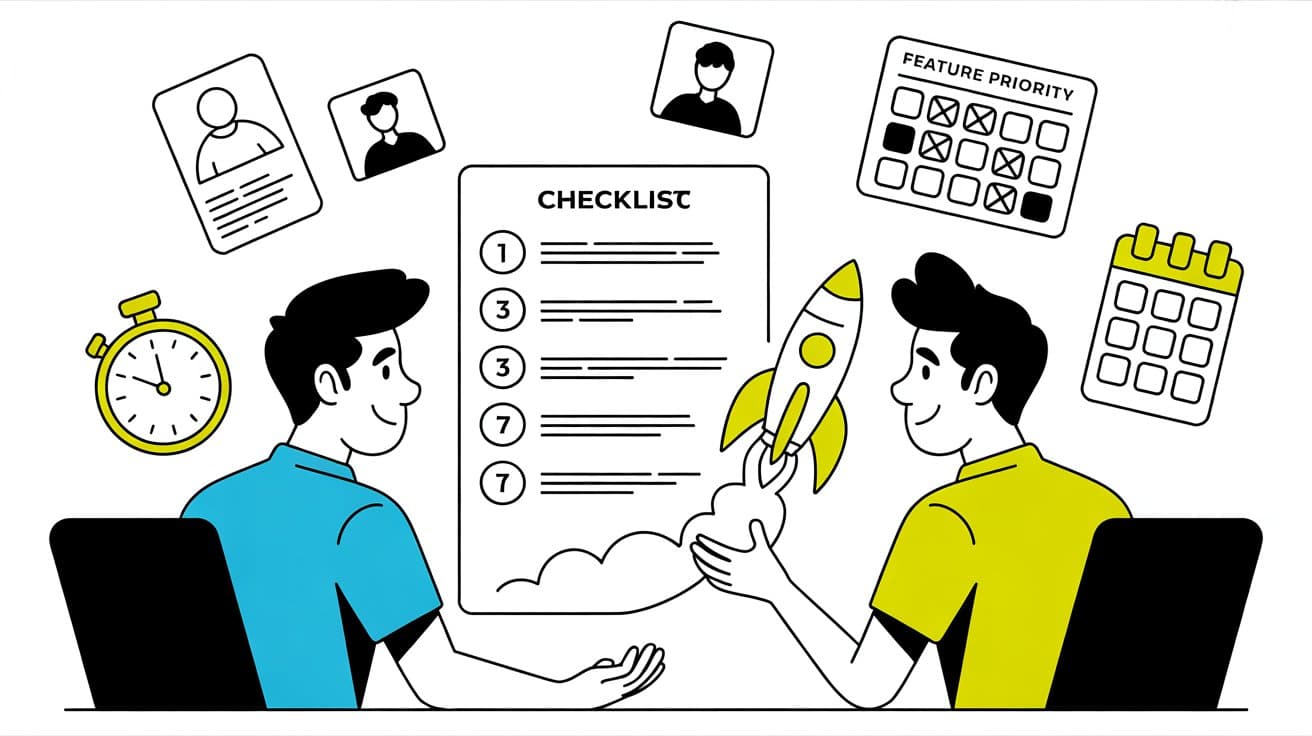
The businesses that succeed with AI don't boil the ocean. They identify one painful, repetitive, high-volume process, automate it, measure the result, then expand. Start with a focused AI pilot. Prove the ROI. Then scale.
If you're unsure where AI could add the most value to your specific business, we offer free discovery calls to map out opportunities with zero obligation.